
Kashmiri Pandit Wedding Rituals & Traditions: A Complete Guide
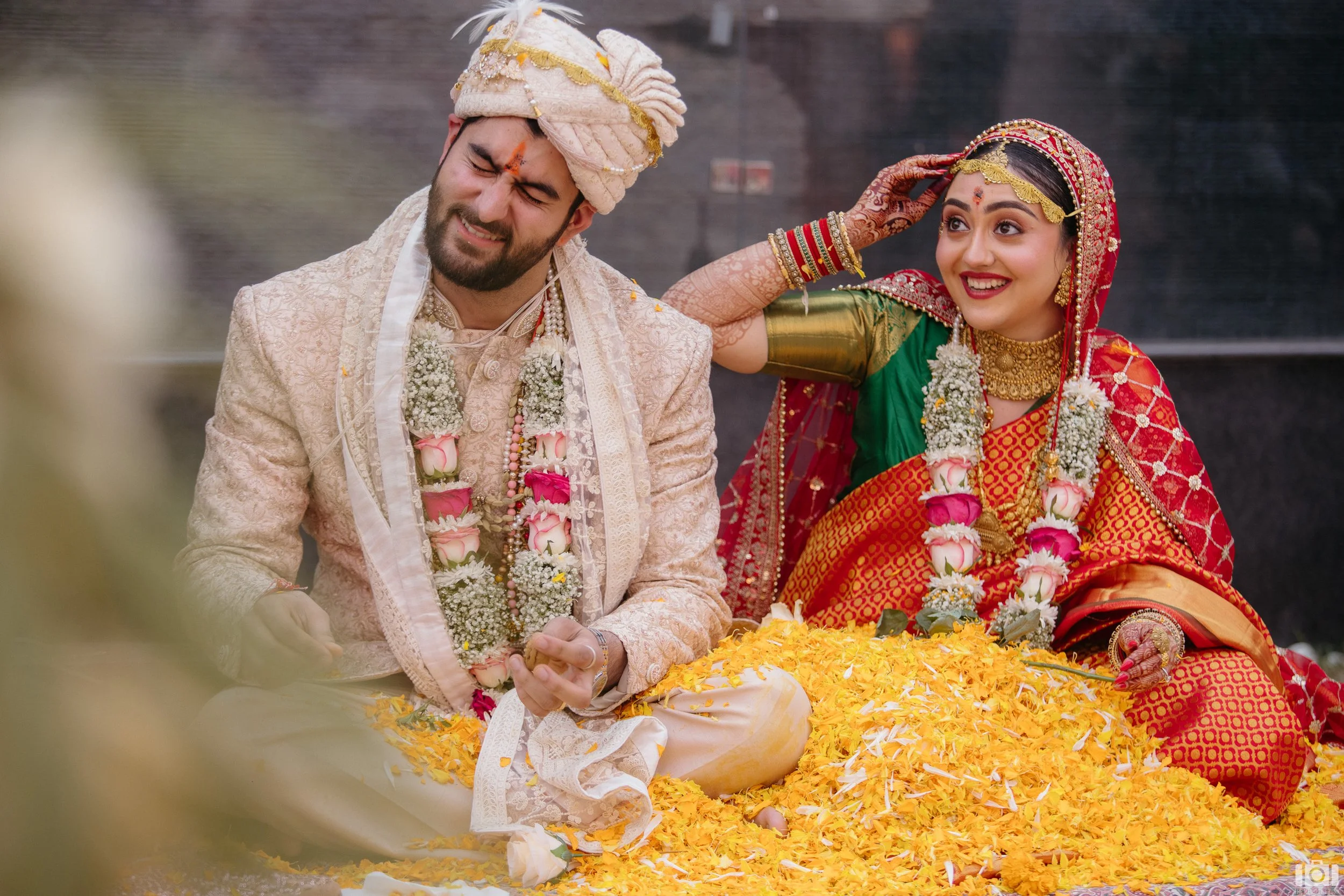
Kashmiri Pandit weddings are among the few celebrations that have remained remarkably true to their traditions across generations. While every couple brings their own personality to the wedding, the rituals and customs continue to be preserved with immense care and pride. It's this deep respect for tradition that gives these weddings their timeless beauty.
Every ceremony carries meaning, bringing families together to honour their heritage while celebrating the beginning of a new chapter. One of the most heartwarming aspects of these weddings is seeing relatives travel from across India and around the world to reunite, often bringing three or even four generations together under one roof.
Over the years, we've had the privilege of documenting numerous Kashmiri Pandit weddings in Jammu. Through this guide, we hope to share not only the significance of these beautiful rituals but also the moments that make them so meaningful to witness and photograph.

What Makes Kashmiri Pandit Weddings So Beautiful?
What makes Kashmiri Pandit weddings truly special isn't just the rituals themselves, but the values they represent. Family, tradition and community remain at the heart of every celebration, creating an atmosphere that feels warm, intimate and deeply connected.
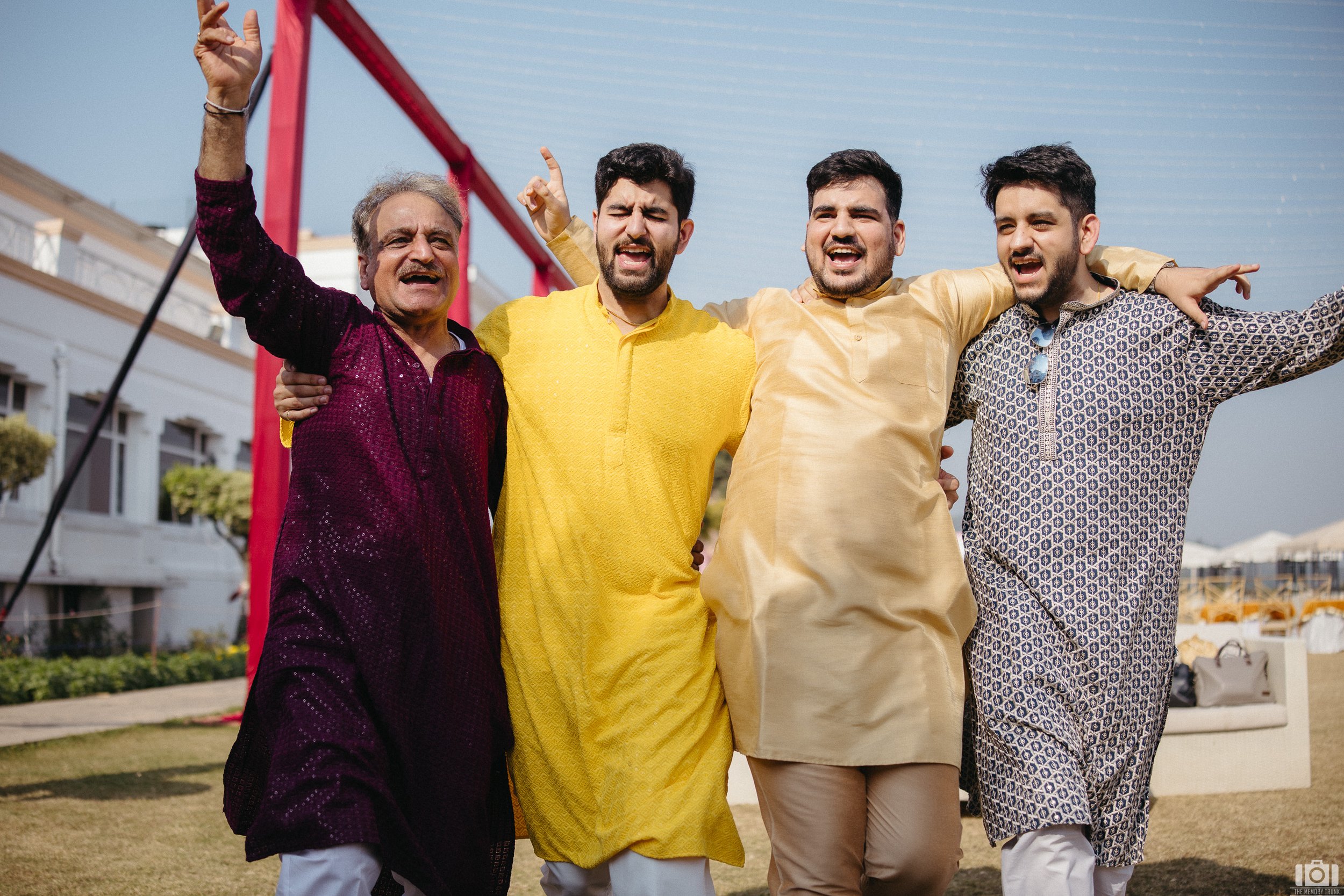
Music is an equally important part of the experience. During Mehendi Raat and other celebrations, traditional Kashmiri musicians often perform folk songs accompanied by the Rabab, filling the celebrations with melodies that have echoed through generations.
While every family celebrates in its own way, the focus always remains on the rituals, the blessings and the people. It's this balance of tradition, emotion and togetherness that makes Kashmiri Pandit weddings such a privilege to witness and document.
Having documented many Kashmiri Pandit weddings over the years, we've come to appreciate that their beauty isn't found in any one ritual alone. It's found in the warmth of the families, the respect for tradition, the music, the emotions and the feeling that everyone present is part of something much bigger than a single wedding day.
At a Glance
Duration: Typically 3–5 days (depending on the family)
Wedding Ceremony: Approximately 4-6 hours
Key Rituals: Devgon, Maenzraat / MehendiRaat, Mas Muczravun, Saat Maenz, Posh Pooja, Ghar Achun
Best Season: Spring, Autumn & Winter
Common Venues in Jammu: Hari Niwas Palace, KC Regalia, Amantran Farms
Journey Through the Wedding Rituals
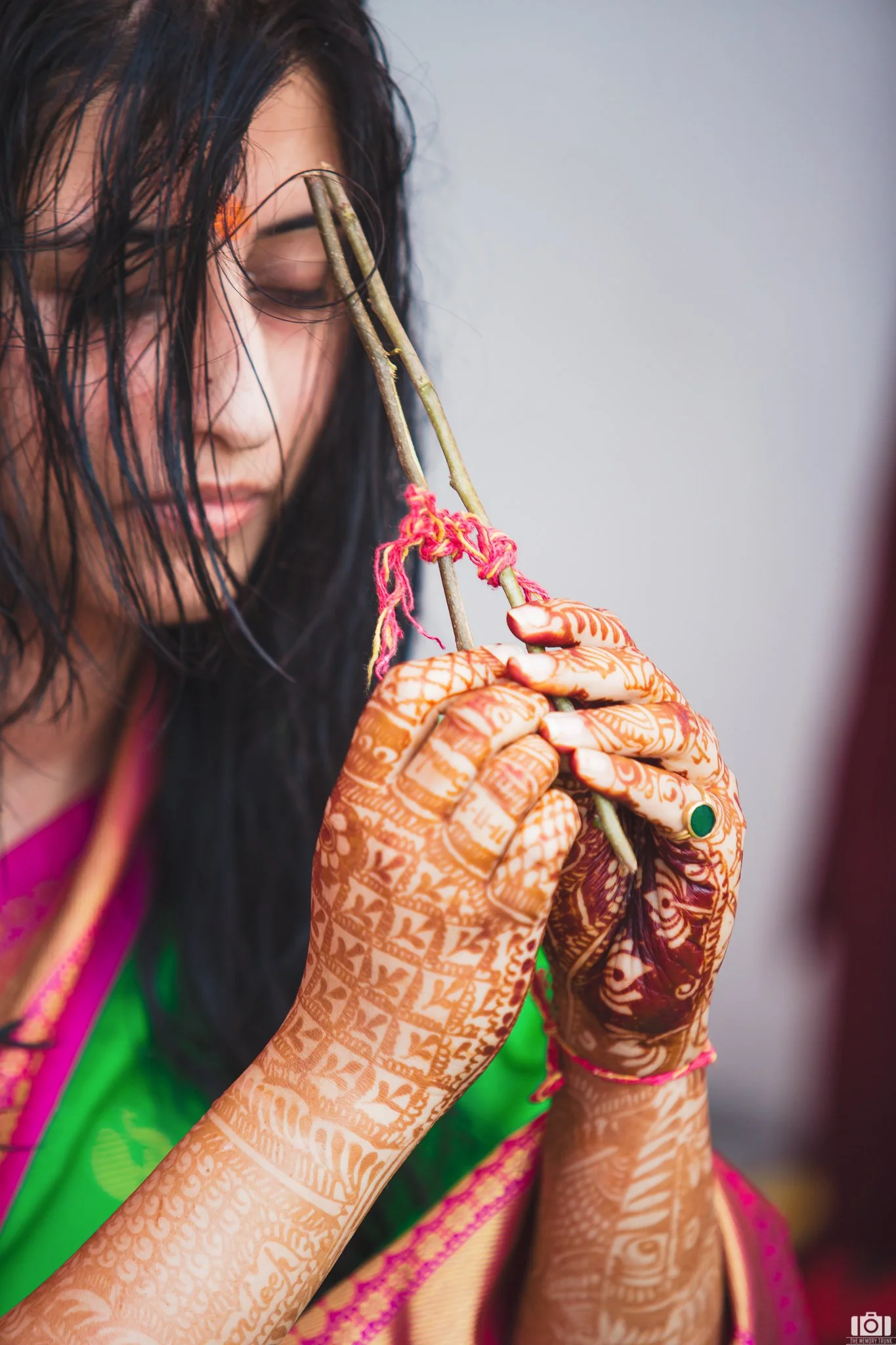
Mas Muczravun
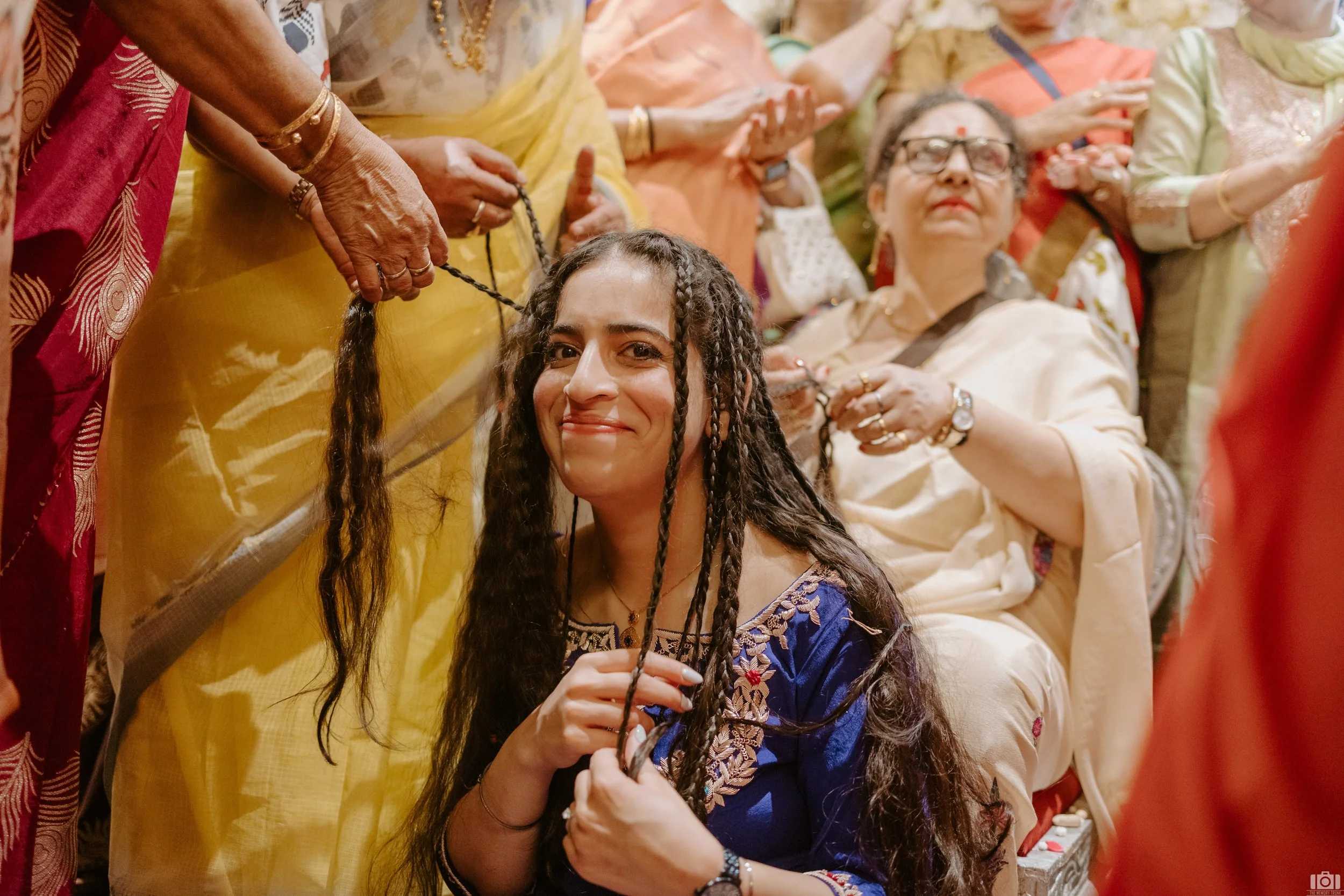
During Mas Muczravun, the bride’s Poff—her father’s sister—traditionally unties or loosens her hair, which is then kept open until later bridal preparations.
Why it's special: The bride’s paternal aunt has a distinct ceremonial role, giving the ritual a deeply personal family significance.
What we love photographing: The aunt gently preparing the bride, the open hair, drifting isband smoke and surrounding women singing together create quiet, layered imagery.
Saat Maenz
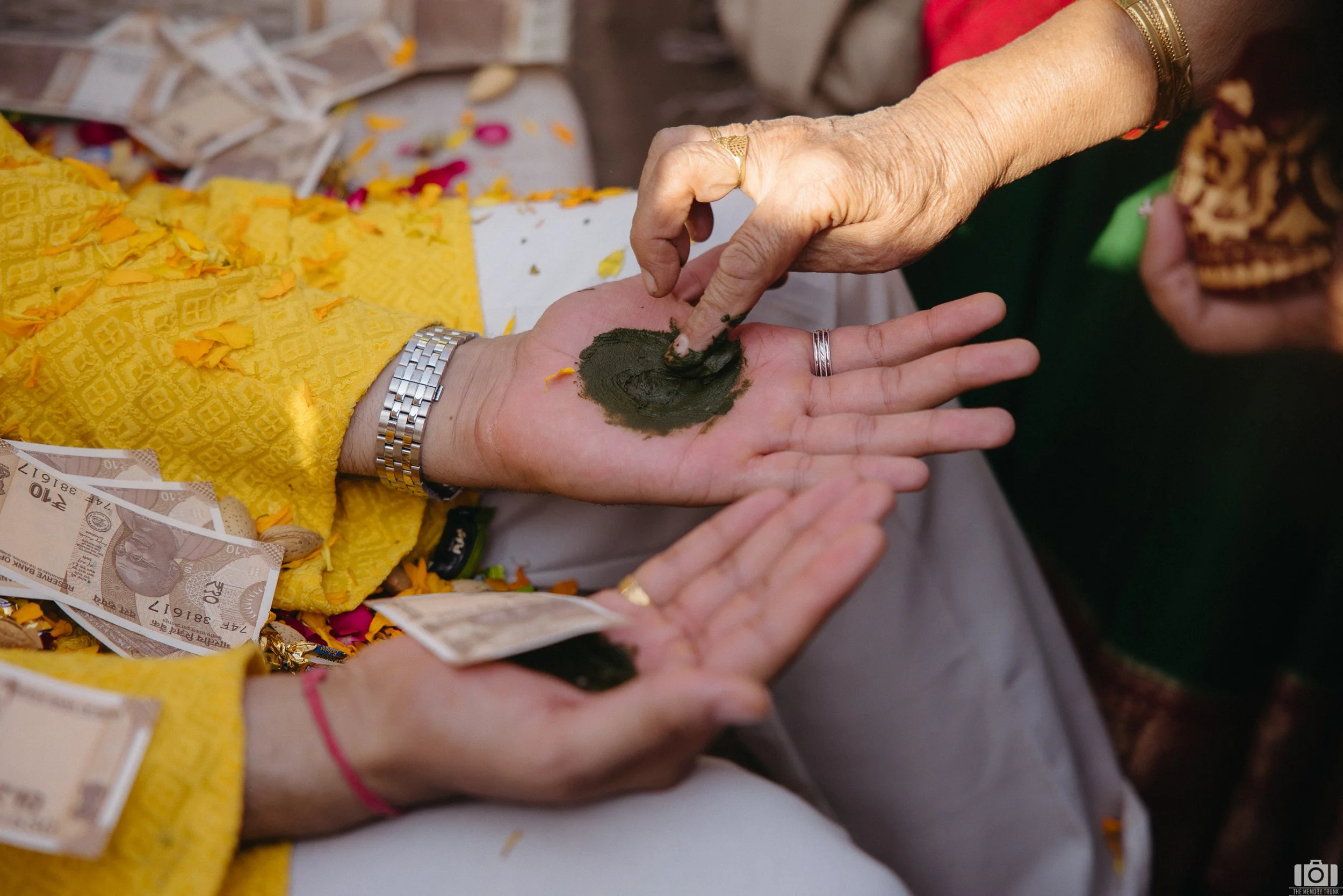
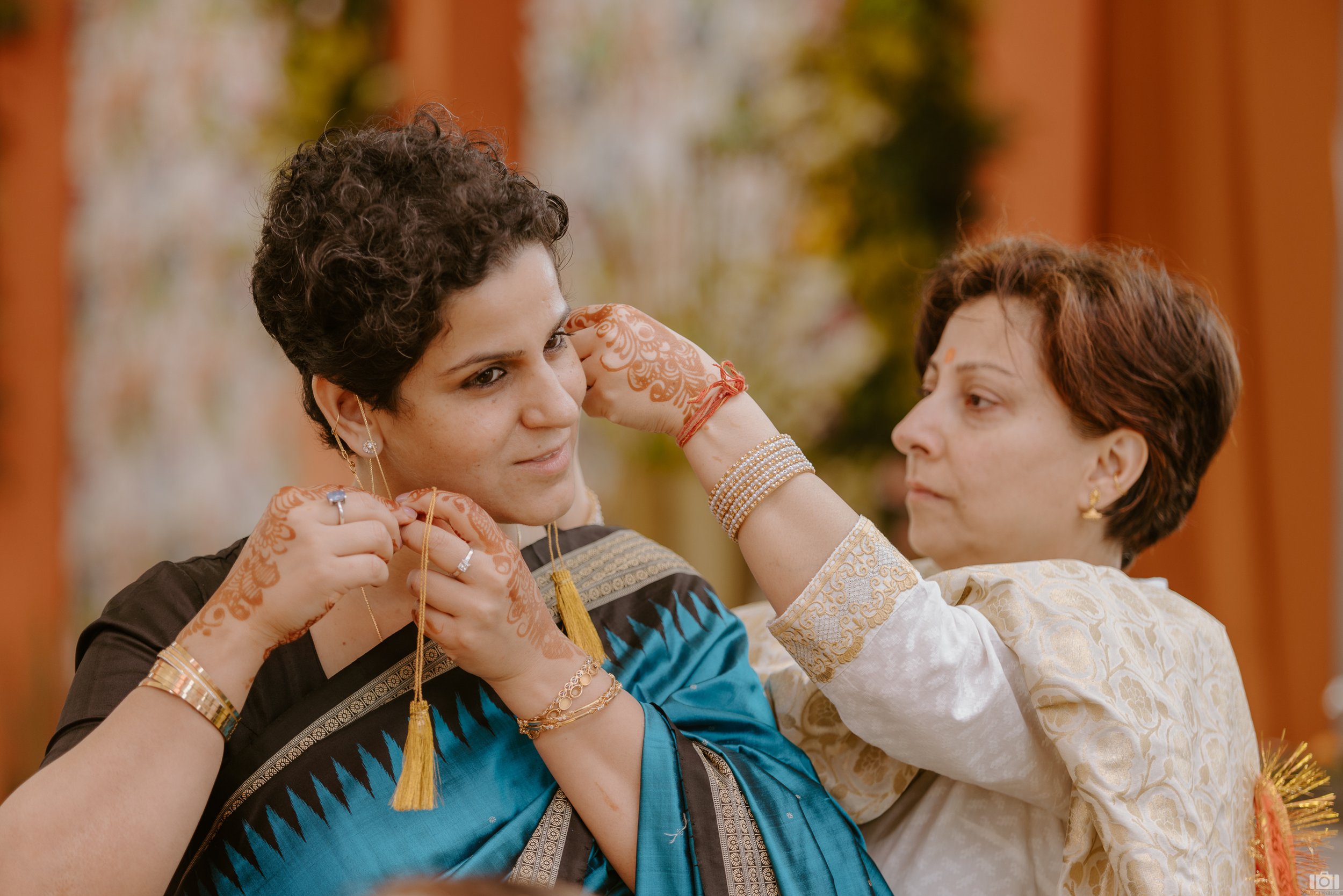
Saat Maenz marks one of the earliest wedding rituals in a Kashmiri Pandit wedding, during which the bride and groom receive the first ceremonial application of mehendi from their mothers and aunts. It symbolises the formal beginning of the wedding celebrations within the family.
Why it's special: Unlike the larger Mehendi Raat celebration, Saat Maenz is an intimate family ritual that brings together close relatives before the wedding festivities gather momentum.
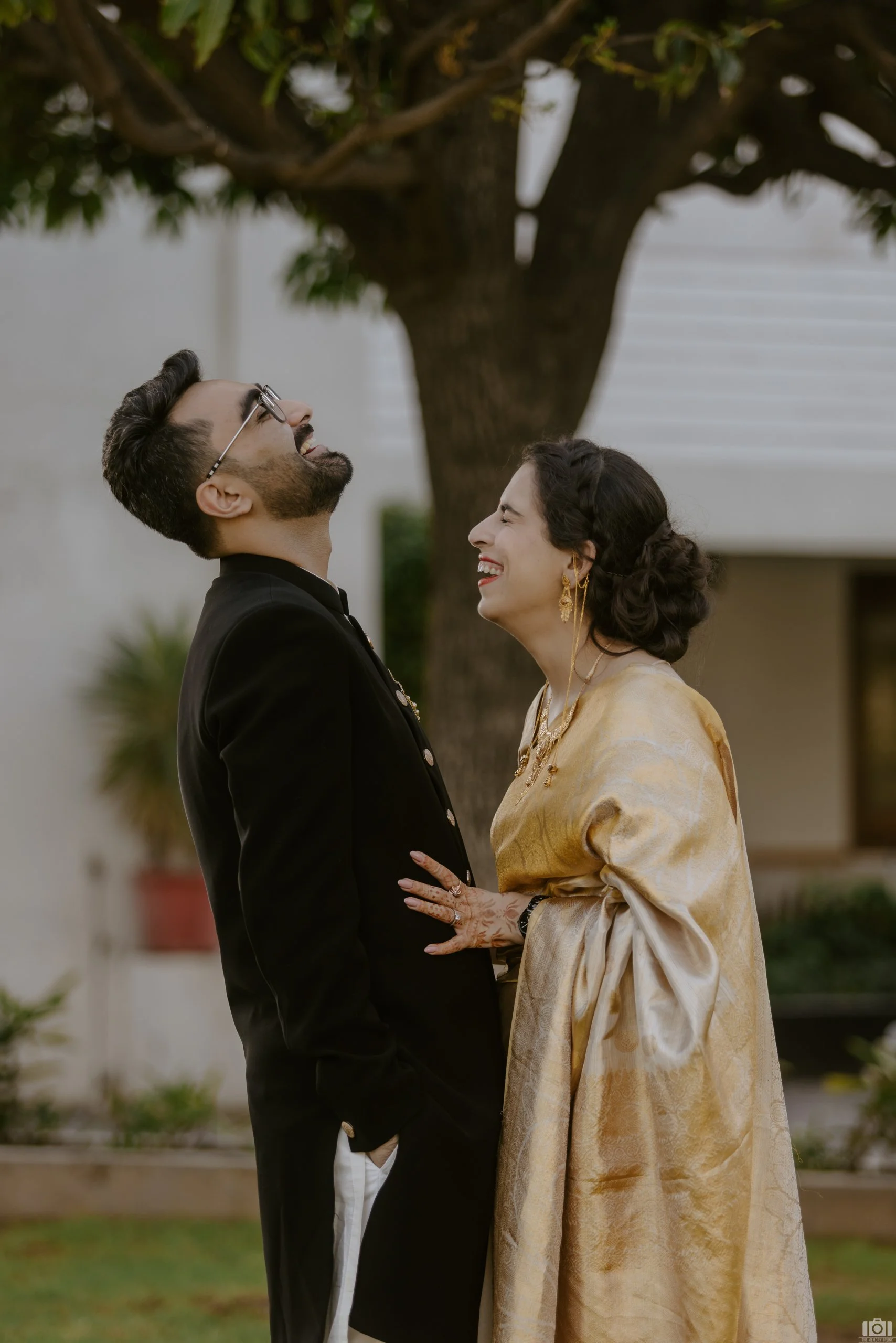
What we love photographing: The laughter between family members, the affectionate teasing and the quiet moments shared across generations make this ceremony beautifully personal.
Devgon
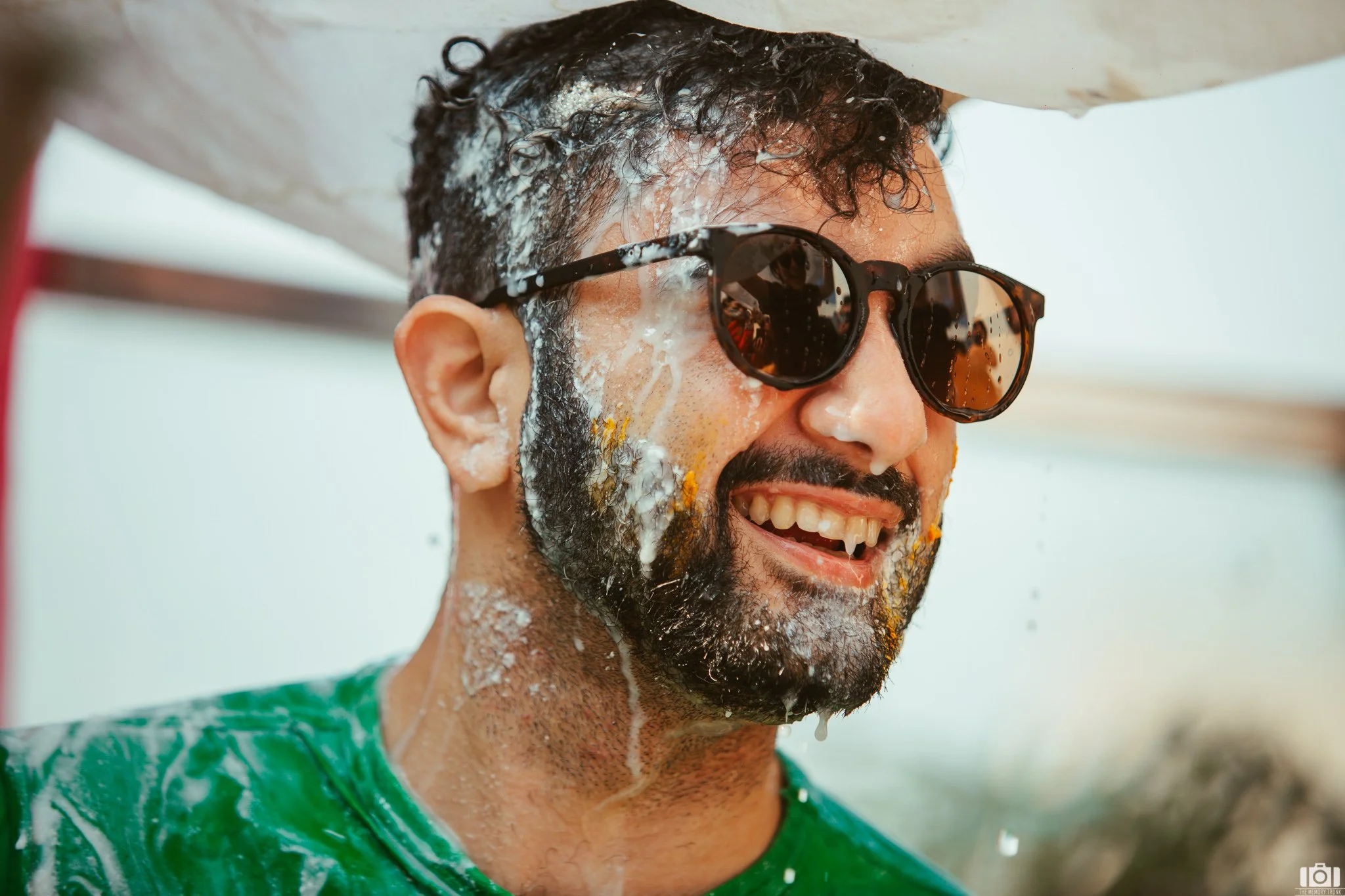
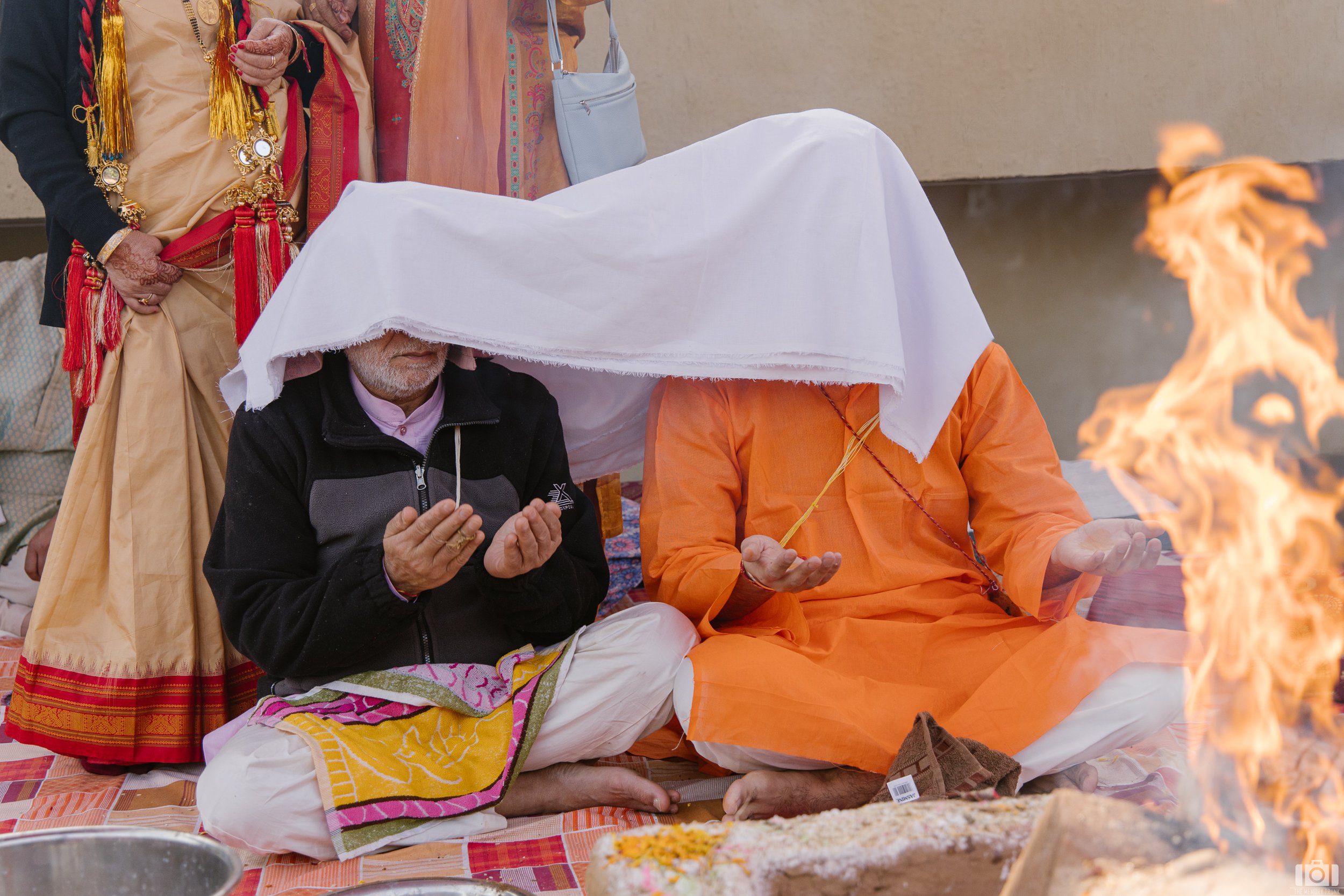
Devgon marks the formal beginning of the Kashmiri Pandit wedding celebrations. Devgon is performed separately at the bride’s and groom’s homes and marks their transition into married household life. It includes a ceremony during which a cloth is held above them and a mixture of water, milk and curd is poured through it; some traditions also include rice and flowers. A havan and prayers to Shiva and Parvati follow. Prayers are offered, seeking the blessings of the family deity and ancestors before the wedding festivities officially begin.
Why it's special:
As the very first wedding ritual, Devgon sets the tone for the celebrations ahead. It formally marks the spiritual beginning of the wedding and brings the closest family members together before the larger celebrations begin. It's a quiet, heartfelt ceremony where the immediate family comes together, making it one of the most personal moments of the wedding.
Our favourite moments to photograph:
The ceremonial bath is full of affectionate family interaction, followed by the quieter mood of the prayers and blessings.
Maenzraat or Mehendi Raat
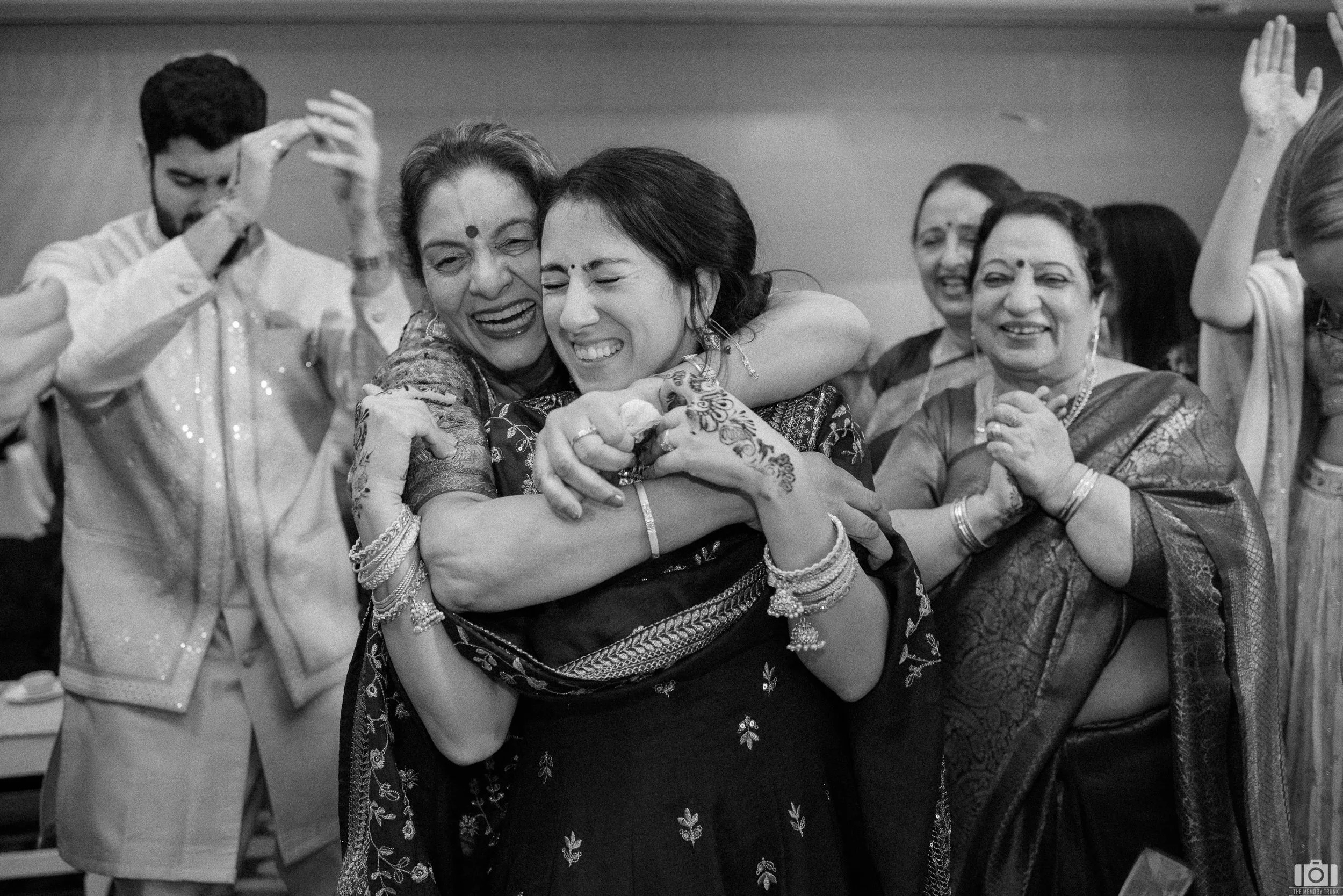
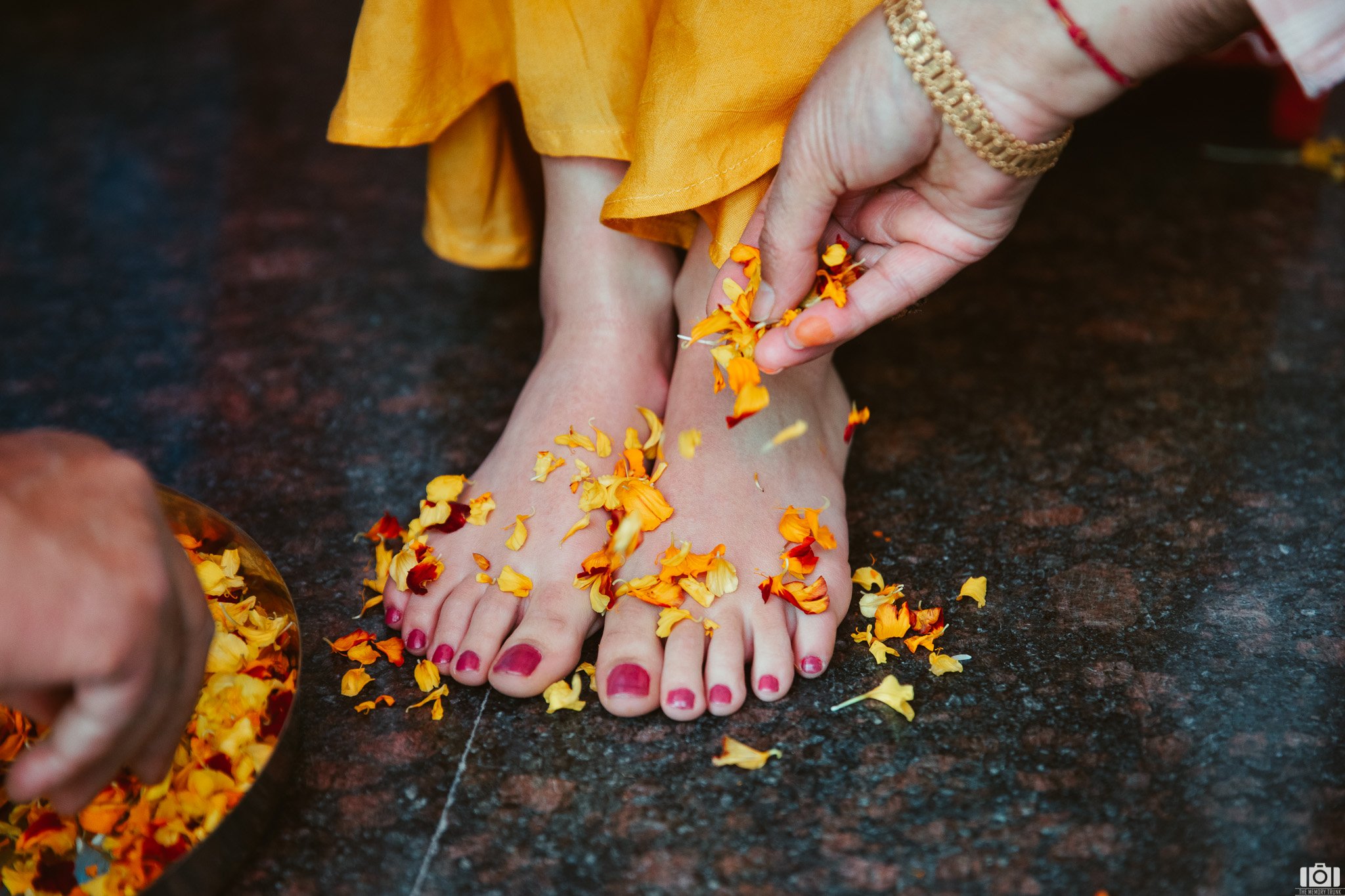
Maenz means mehendi and raat means night. Mehendi Raat is one of the most joyful evenings of a Kashmiri Pandit wedding. Traditionally, the bride's feet are ceremonially washed by her maternal aunt before mehendi is applied to her hands and feet by the women of the family. A symbolic application of mehendi is also made on the groom, and today many families celebrate Mehendi Raat for both the bride and groom with music, Wanvun, dancing and traditional Kashmiri musicians.
Why it is special: It brings together ritual and celebration, preserving Kashmiri music and family customs within one of the wedding’s liveliest evenings.
Our favourite moments to photograph: The mehendi application, musicians, spontaneous dancing and intergenerational singing create wonderfully expressive photographs.
Lagan
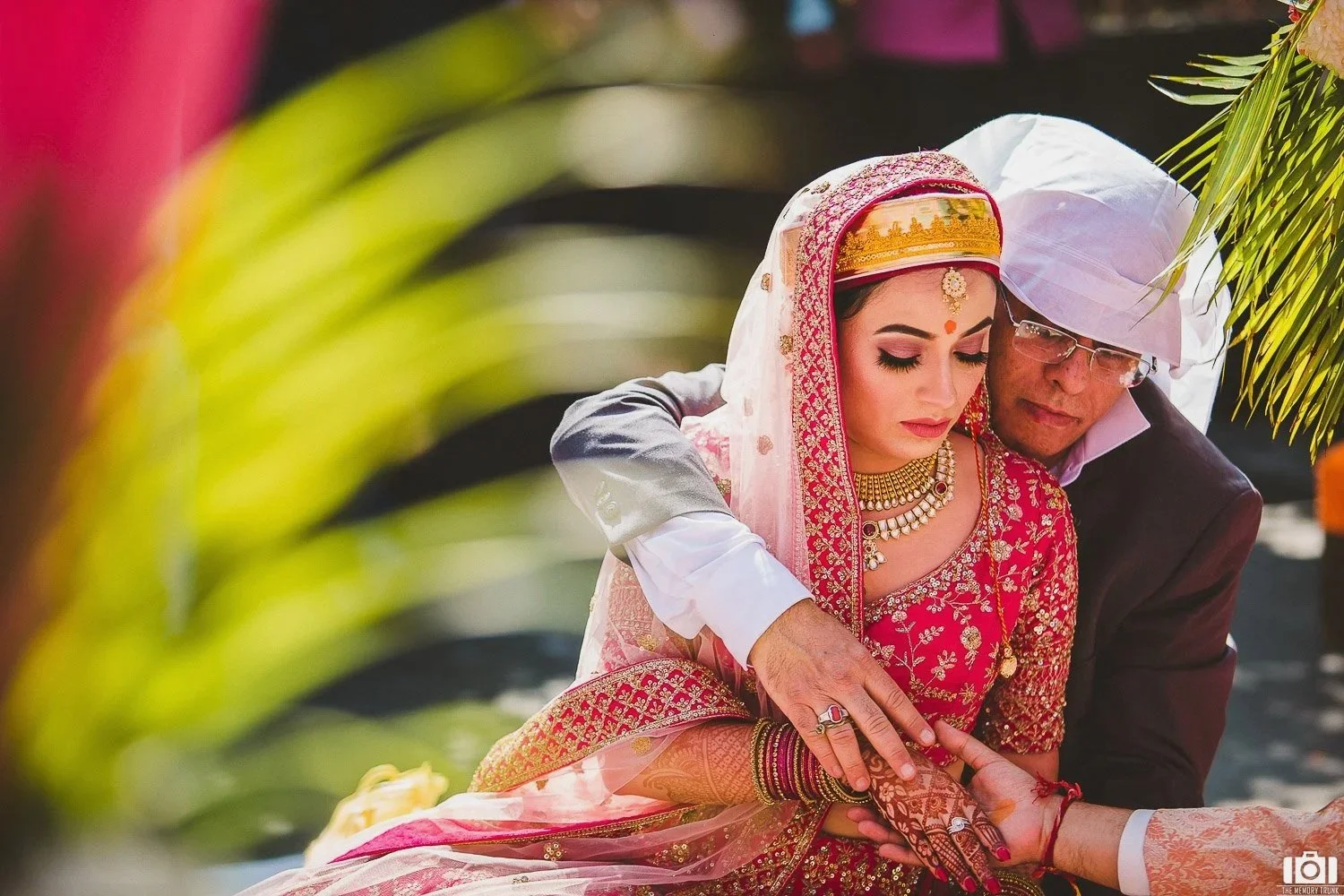
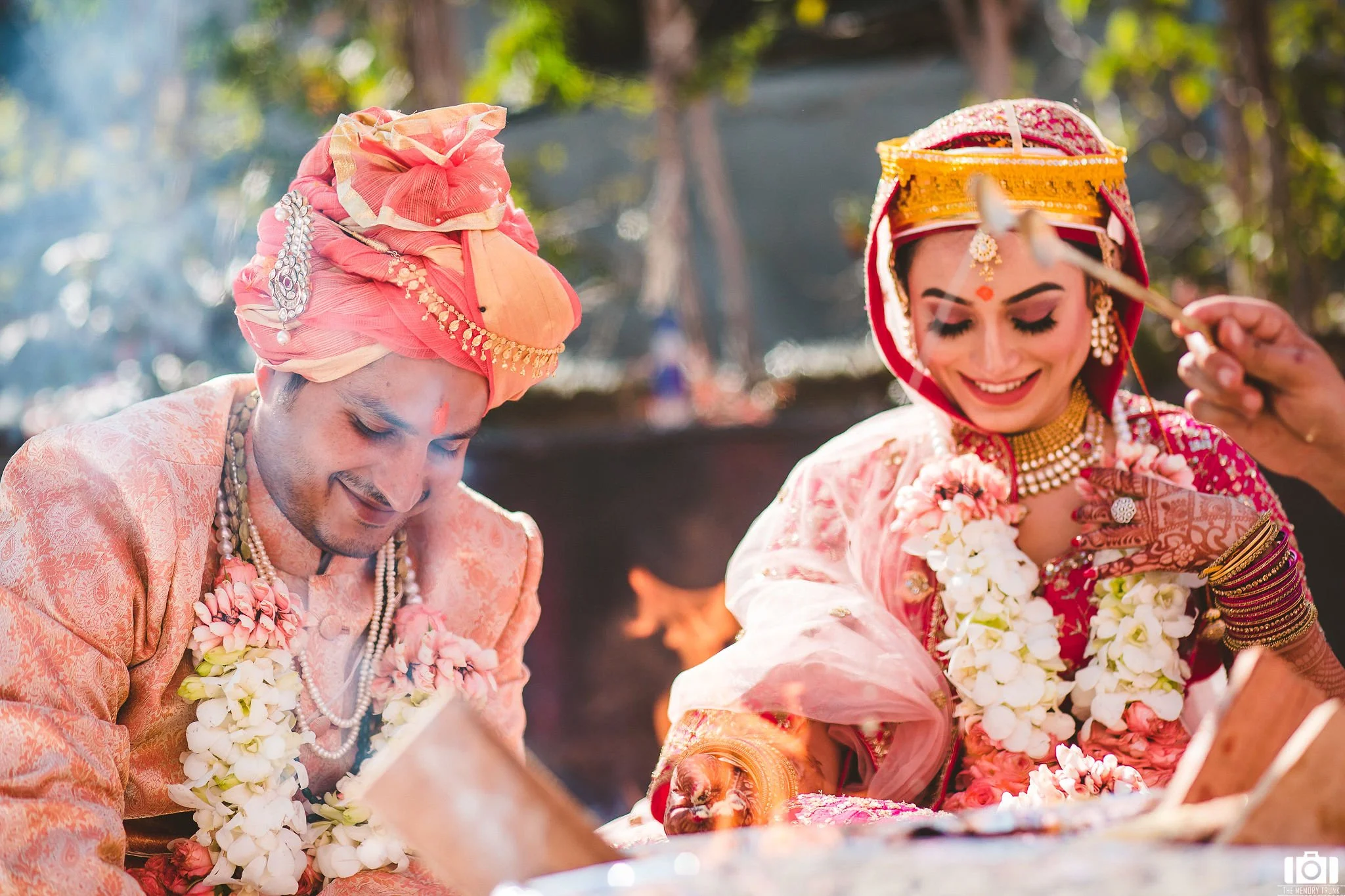
Lagan is the principal marriage ceremony, performed around the sacred fire through an extended series of Vedic rituals. It commonly includes Dwar Pooja, Kanyadaan, Athwas, the pheras and Saptapadi, and may continue for several hours.
Why it is special: The ceremony is unhurried, with each ritual given its own meaning and place rather than being treated merely as a formality.
What we love photographing: The couple’s quiet exchanges, the concentration of the families and the gradual movement through each ritual allow the story to unfold naturally.
Athwas and Pheras
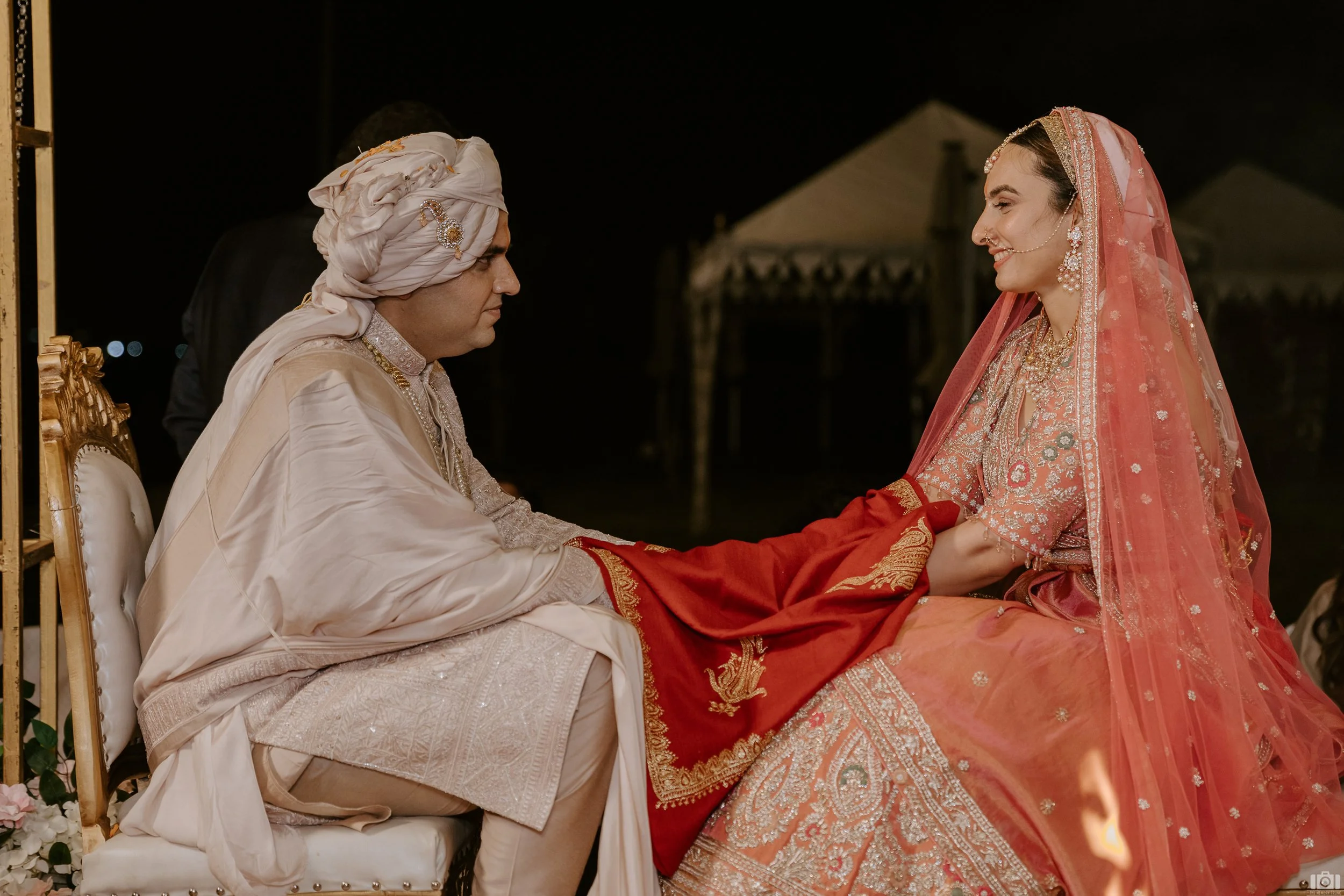
During Athwas, the couple holds hands beneath a cloth while a sacred thread is tied around their foreheads. They then complete the pheras around the sacred fire, followed by Saptapadi—the symbolic seven steps and commitments of marriage.
Why it is special: These rituals represent partnership, shared responsibilities and the beginning of the couple’s life together.
What we love photographing: Their joined hands beneath the cloth, the movement around the fire and the expressions of parents watching nearby often become some of the ceremony’s strongest photographs.
Posh Pooja
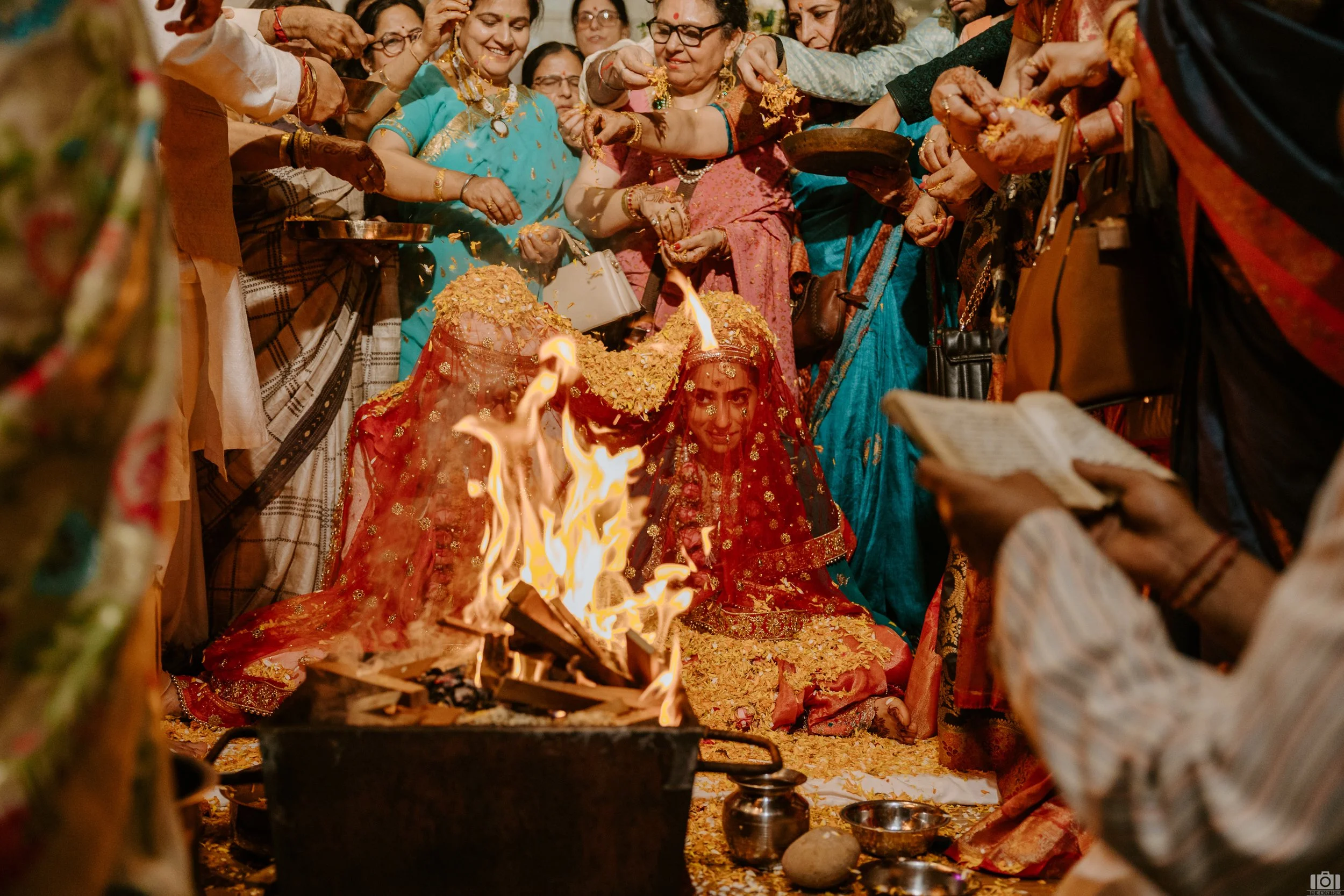
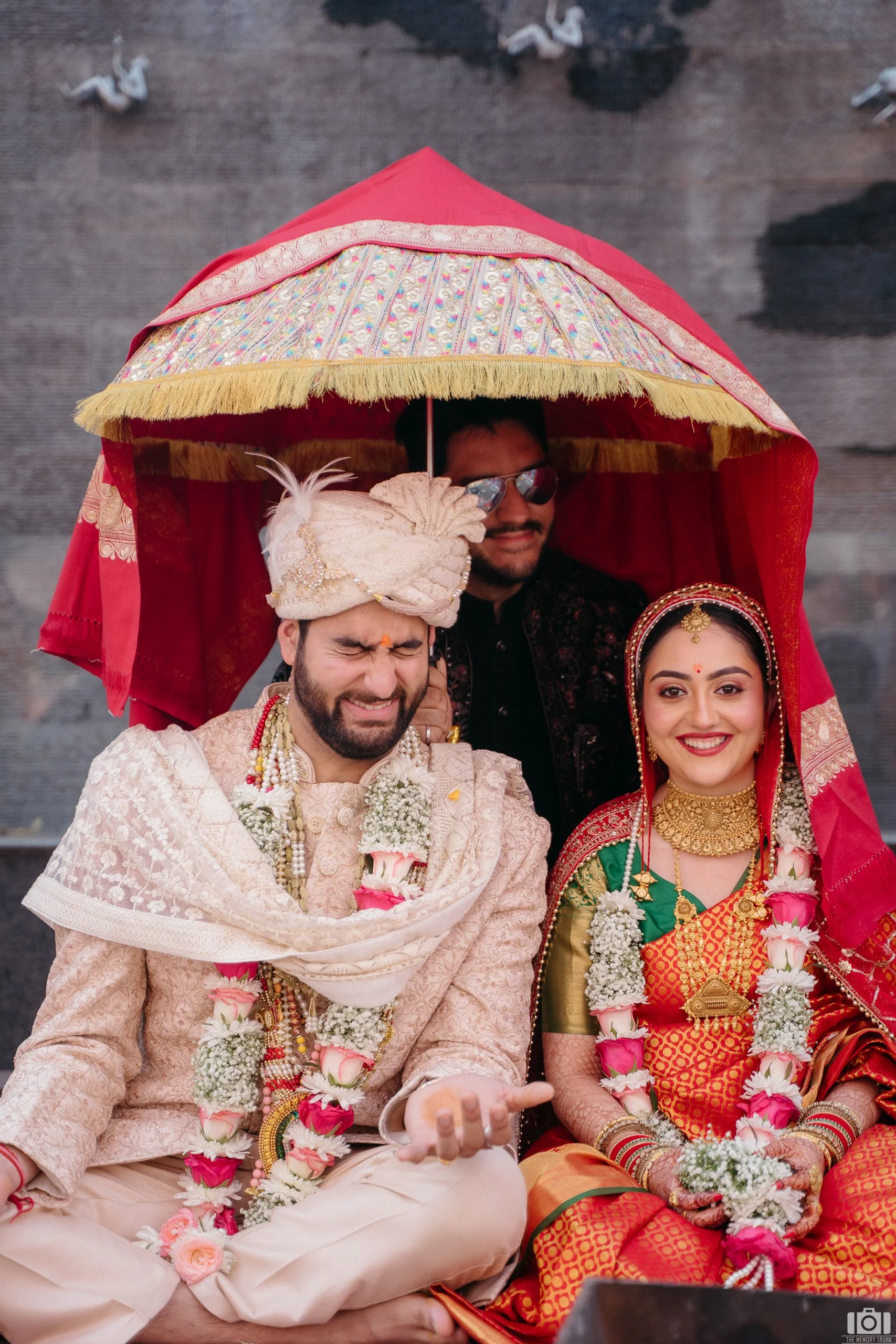
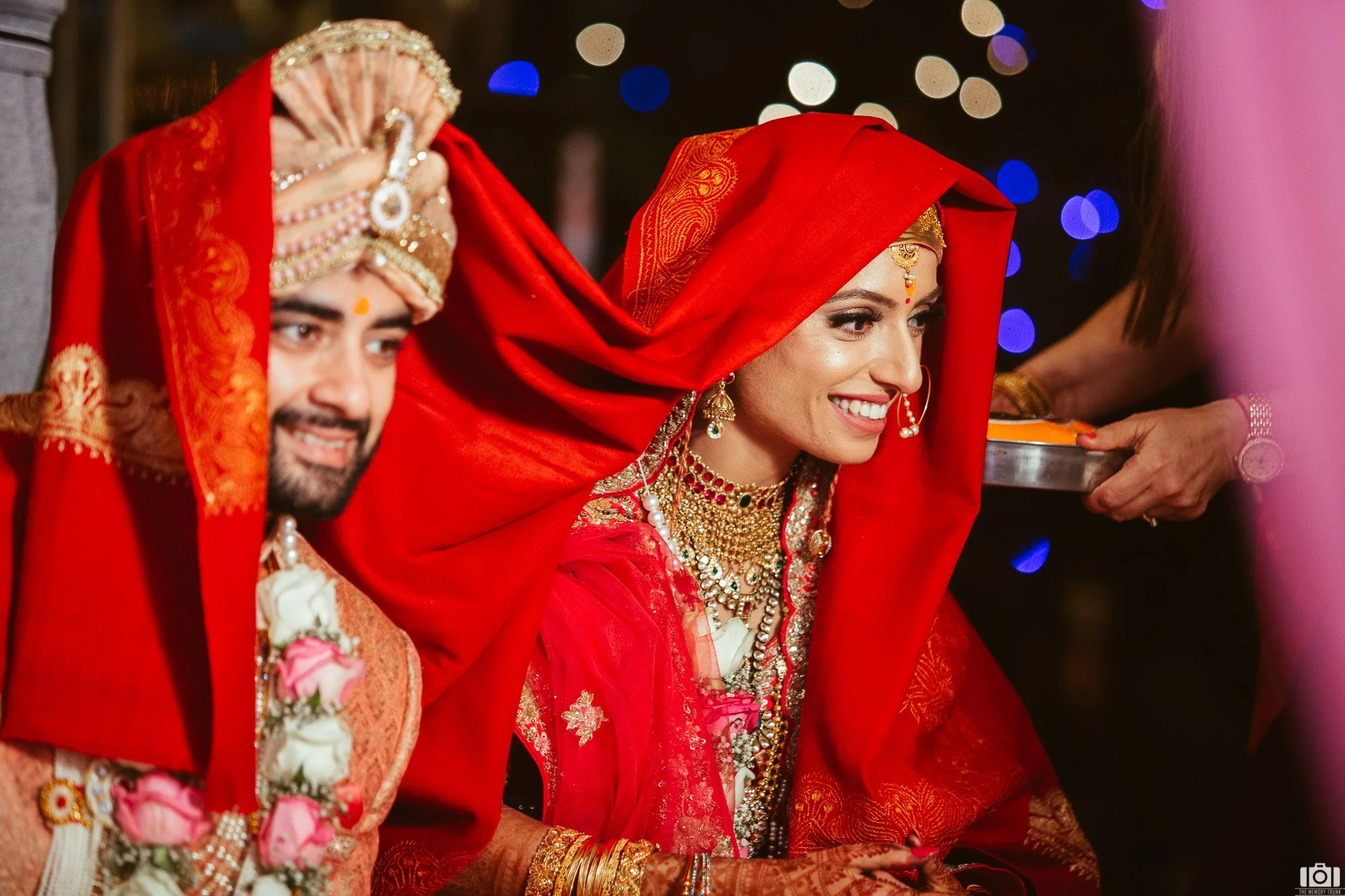
In Posh Pooja, the couple sits together beneath a cloth or shawl while relatives shower them with flowers and the priest recites mantras. The bride and groom are symbolically regarded as Shiva and Parvati and blessed for a happy married life.
Why it is special: It brings the entire family into the ritual, surrounding the couple with collective blessings at the conclusion of the marriage ceremony.
What we love photographing: The falling petals, enclosed space beneath the cloth and emotions of relatives gathered close make it one of the most visually distinctive Kashmiri Pandit wedding rituals.
Vidaai
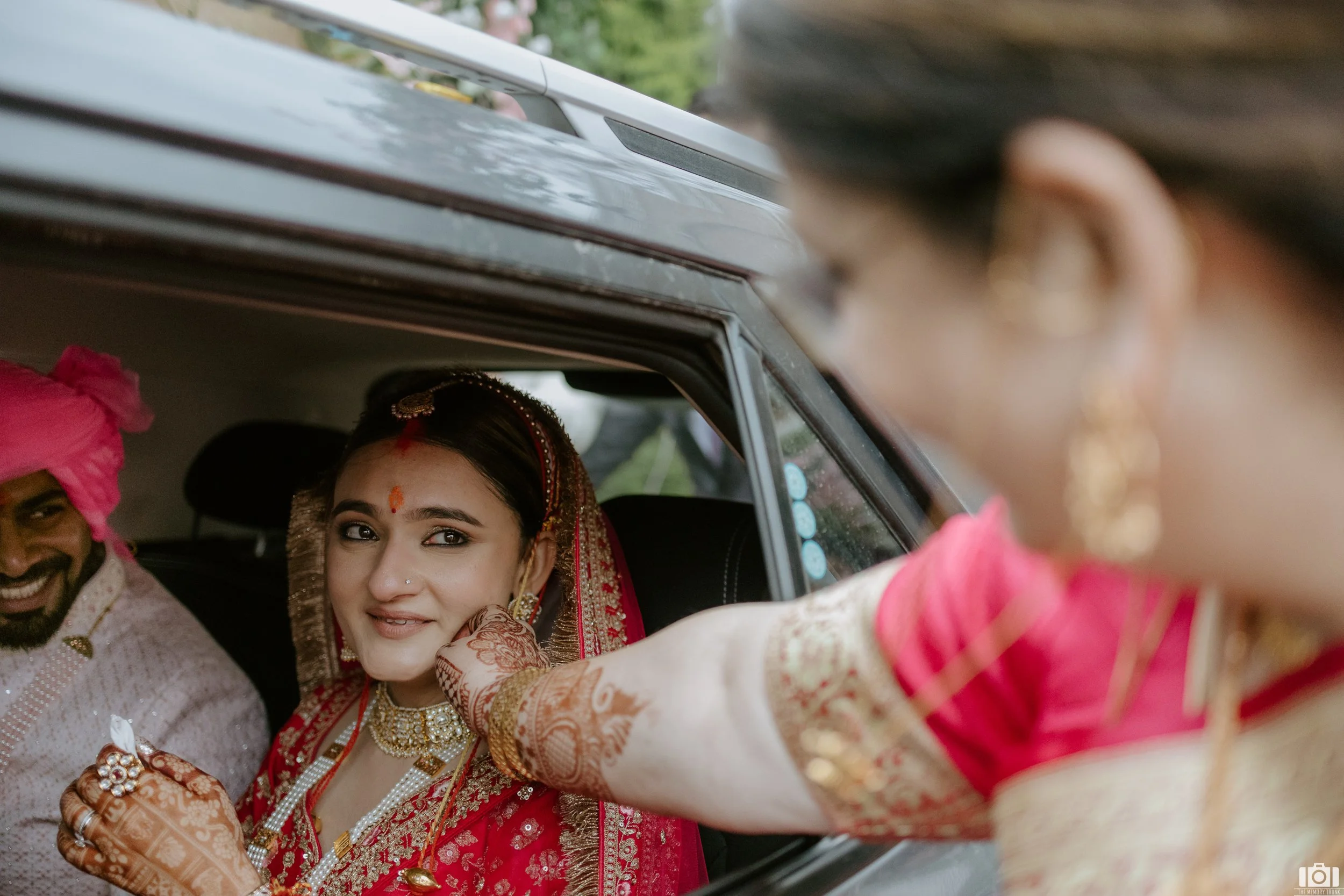
Before departure, the couple traditionally stands on a decorated Vyoog. An elder woman blesses them and offers nabad or rice, after which the bride throws raw rice over her shoulder as a wish for the continued prosperity of her parental home.
Why it is special: It carries the joy of a new beginning alongside the emotion of leaving the parental home.
What we love photographing: The final blessings, long embraces and small gestures between the bride and her parents often express more than any posed photograph could.
While every Kashmiri Pandit family has its own customs and slight variations, the essence of these weddings remains unchanged. The rituals, music, blessings and sense of community continue to connect generations, making every celebration feel deeply rooted in culture while still allowing each couple's story to shine through.
Real Kashmiri Pandit Weddings We've Documented
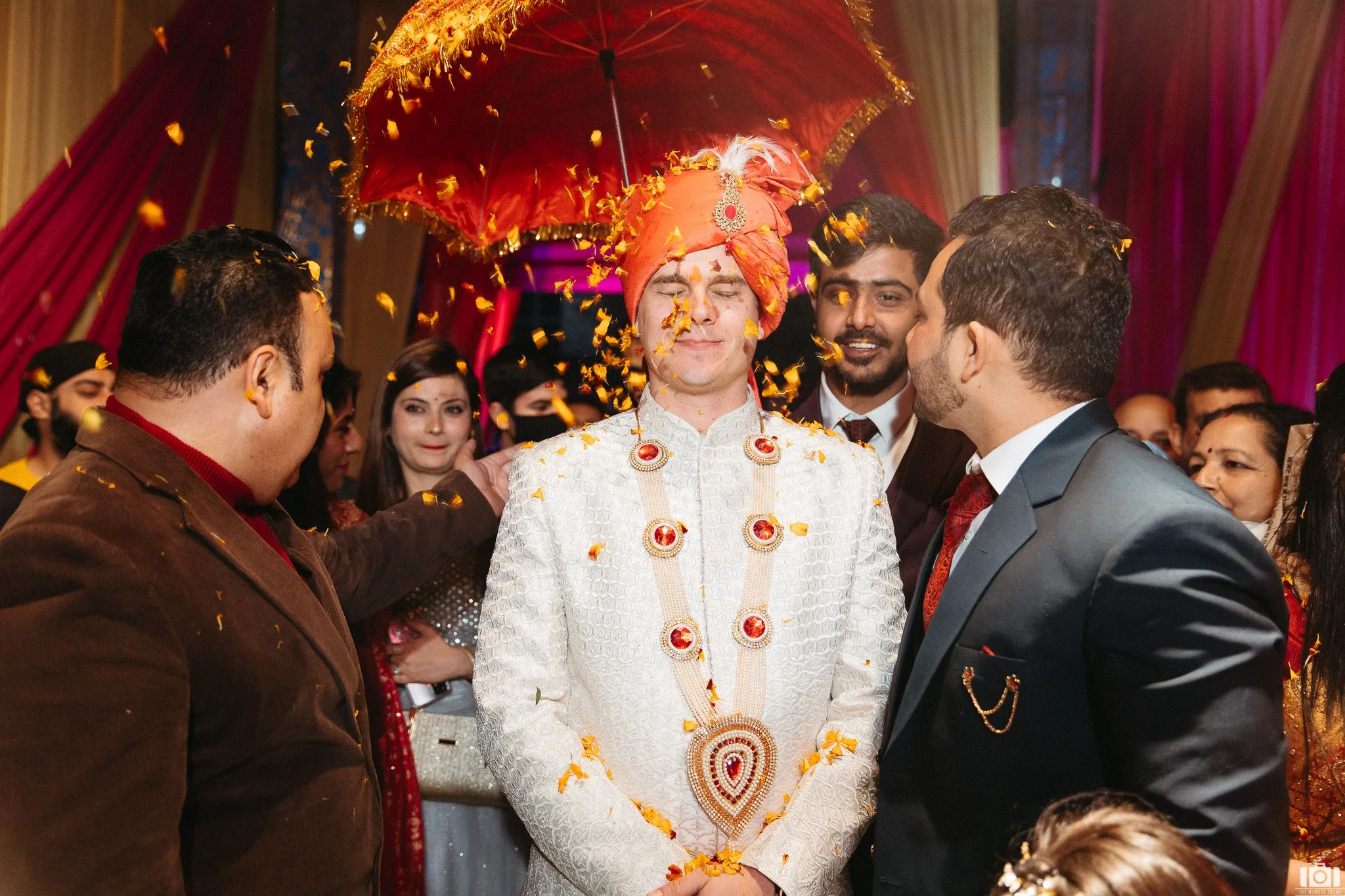
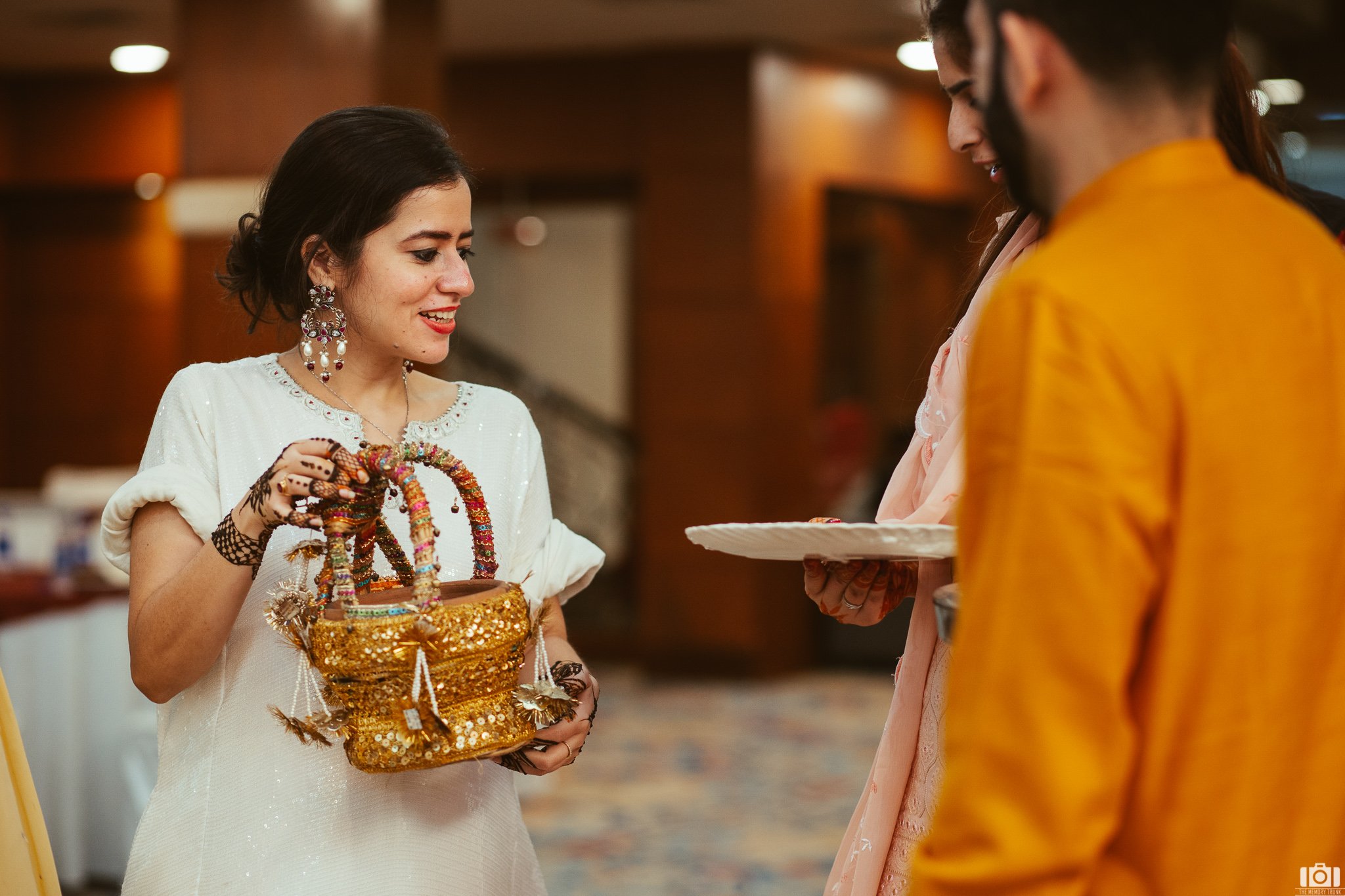
Every family celebrates these traditions a little differently. Here are some of the Kashmiri Pandit weddings we've had the privilege of documenting over the years.

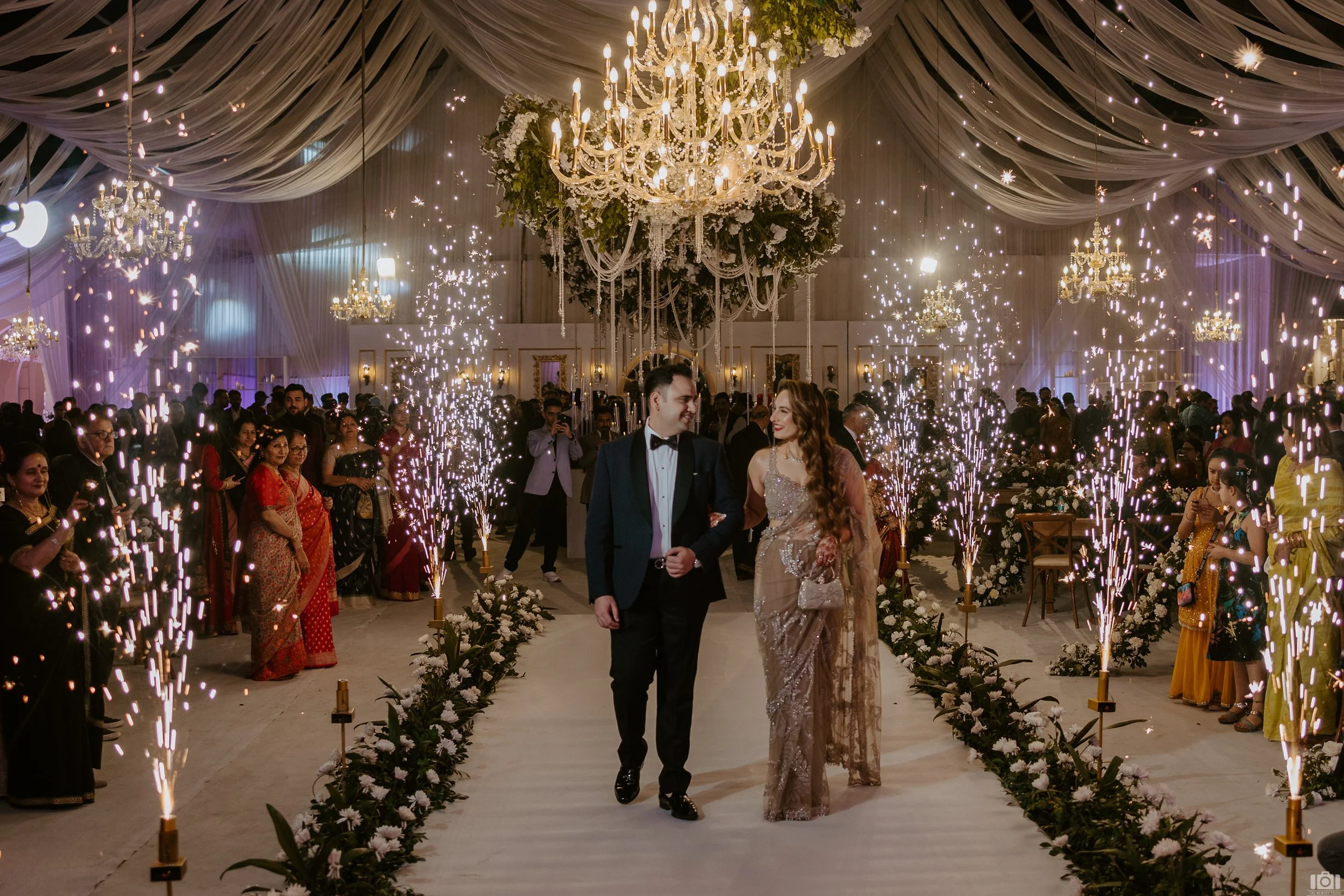
Bhavishya & Abhinav | A Daytime Kashmiri Pandit Wedding at KC Regalia, Jammu
Manik & Shikha | A Grand Kashmiri Pandit Wedding at Hari Niwas Palace, Jammu
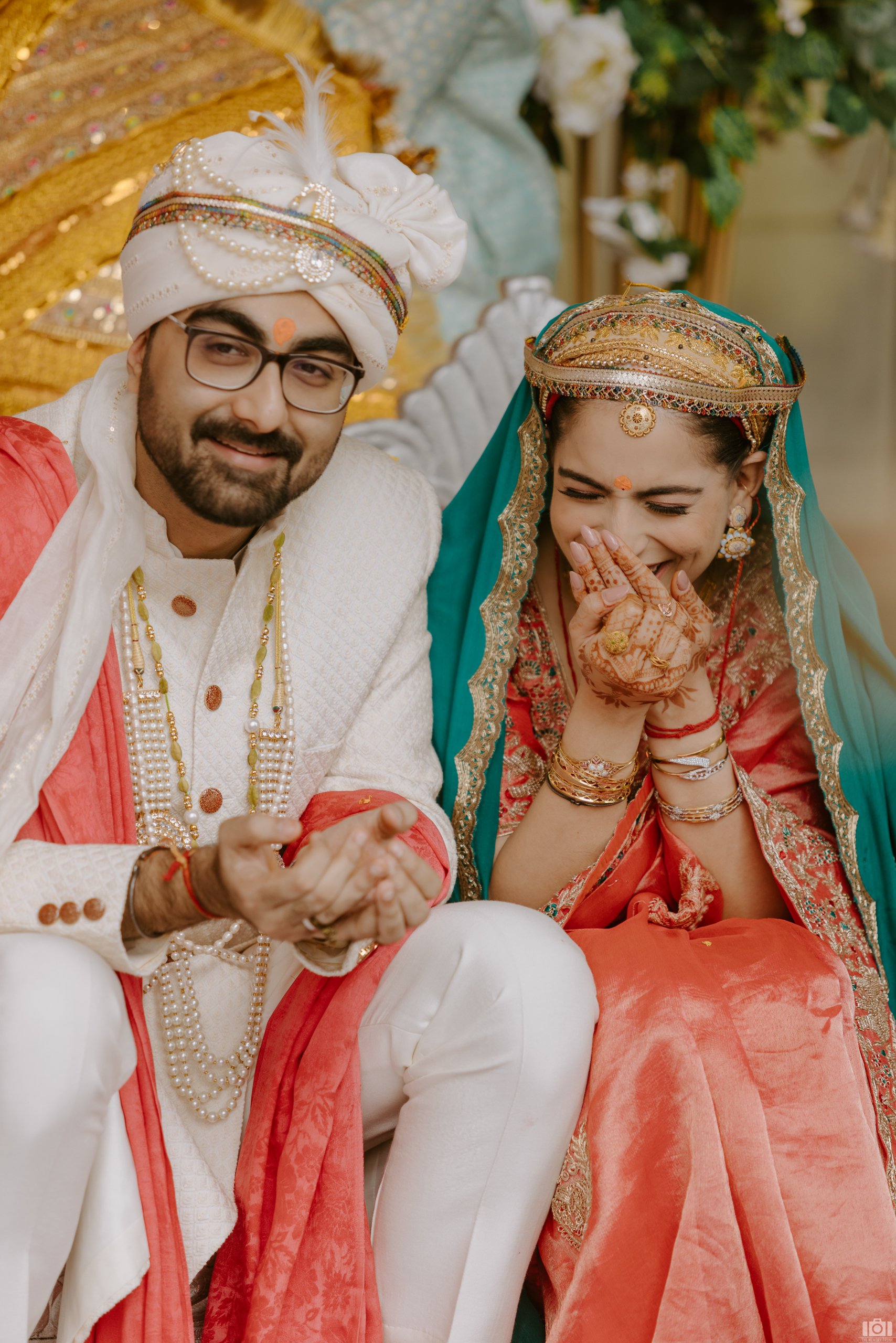
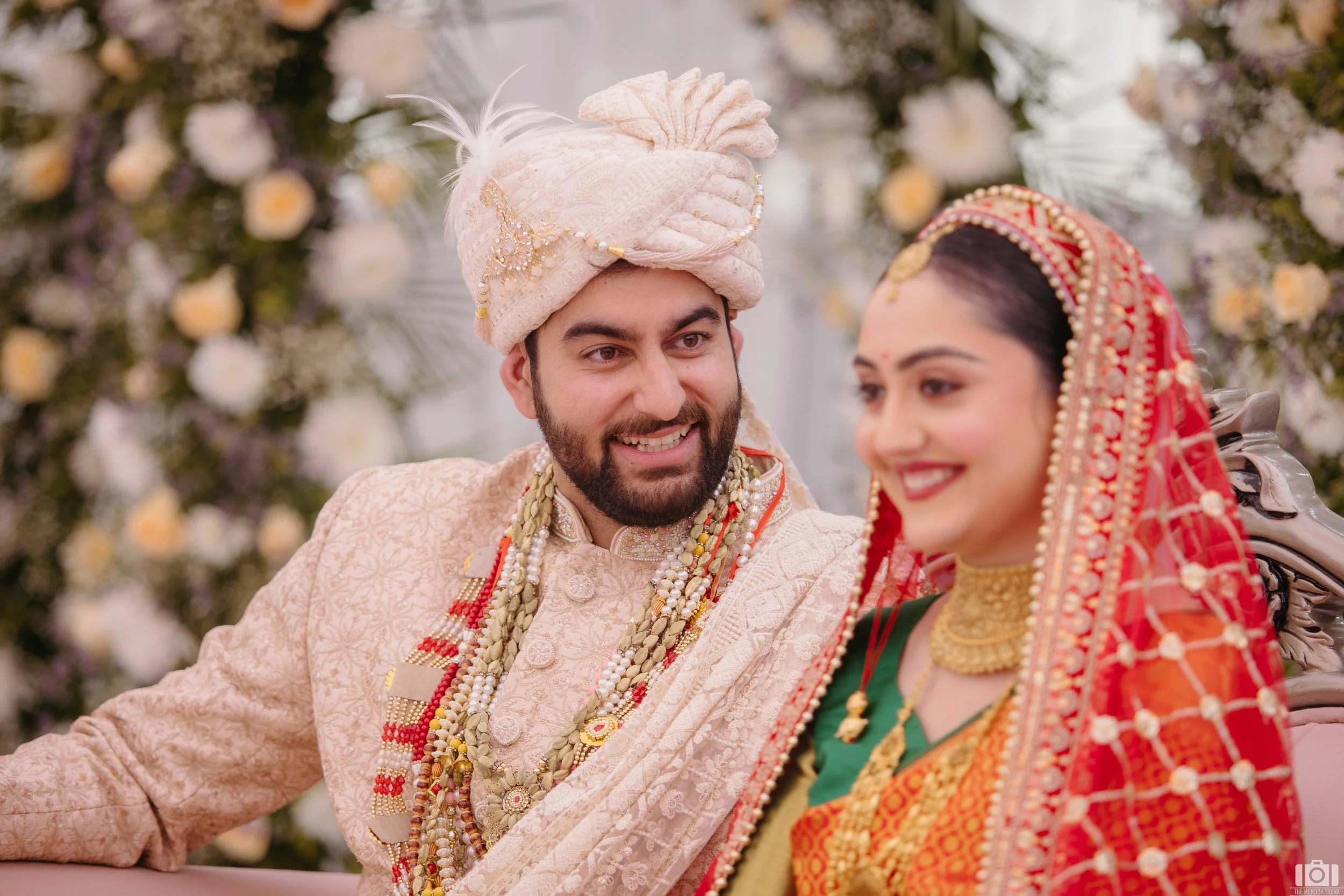
Abhit & Vimarsha | A Wedding rooted in Kashmiri Pandit Traditions | Anutham Hotel, Jammu
Tapsi & Amrit | A Joyful Kashmiri Pandit Wedding at Majestic Grand, Jammu

Continue Reading
Planning your wedding? You might also find these guides helpful